The SVA maintains a small section of the River Sid, from the west bank of the river from Gilchrist Field in the north, down to the southern end of Margaret‘s Meadow just before the confluence of the Woolbrook – a length of some 800m. The west bank is almost entirely wooded over this length with many mature deciduous trees, and an informal footpath accessed through three gates from the SVA land.
The River Sid is one of Devon’s smallest and most compact rivers, being only some 10km (6 miles) in length. It rises in Crowpits Covert (OS grid reference SY 138963), on the Ottery St Mary side of the Hare and Hounds, at a height of 190m (620ft) above sea level. The river has a rich biodiversity and serves a predominantly rural catchment before it flows through the village of Sidbury, and then crosses under A3052 at Packhorse Bridge in Sidford. The river is joined by the Roncombe stream in Sidbury, the Snod brook in Sidford and the Woolbrook in Sidmouth before out falling to the sea at The Ham.
Gilchrist Pond Widlife Reserve
The remains exist of an old Victorian pond adjacent to Gilchrist Field. Over the years the original pond had been backfilled with builders rubble, but about 10 years ago the SVA dug it out to a “doughnut” shape. Sadly the pond did not hold any water above the water table level and a gravity connection from the river was not practicable so recently appropriate planting and clearance was undertaken to make use of what water is available. The pond level at best is about a half metre.
In order to maximise the ecological benefits of an established pond at this location, the SVA fenced off the area in 2019 to protect the wildlife. The area is still in the process of changing quite a lot with its transition to becoming a (fenced off) wildlife habitat. Moorhens have nested and kingfisher have been spotted, the pond supports newts, toads dragonfly etc and importantly, the vandalism seems to have ceased!
Himalayan Balsam
There is an ongoing problem with invasive species including Himalayan balsam and Japanese knotweed, both of which have been identified within the river catchment.
A programme tackling the balsam infestation in the upper reaches of the river Sid is in hand in order to mitigate the re-seeding of the plant downstream. In the early part of the year, a joint initiative was undertaken with Sidmouth in Bloom where we aimed at trying to reduce the spread of this invasive species. Himalayan balsam grows in proximity to damp river areas, and unfortunately the River Sid has over 50% of its length infested. A particularly bad area is at the rear of the Rugby club at Sidford. Although the Sid Vale Association has responsibility for some 800m of river, there are only a few stands of balsam, and these have generally been removed by members wherever possible.
To find out more about Himalayan balsam and how to deal with it click here
Fish in the River Sid
The river is home to numerous species of fish – including salmon and trout, which in turn attracts otters, dippers and kingfishers, all of which can be observed within the beautiful river margins.
Fish require a succession of different habitats in order to survive and reproduce as they progress through the various stages of their life cycles. Suitable spawning substrates (such as clean, loose gravel for salmon and trout) are essential for successful breeding. Fortunately the Sid is generally unencumbered by sediments and pollutants and is so capable of hosting good fish populations, with our varying range of habitats.
Electro-fishing
A survey in 2013 identified the river to have a population of both migratory and non-migratory fish. The former included Atlantic salmon, European eel and sea trout, along with the more static lamprey, brown trout, bullhead and others. Ed Dolphin has written an article updating these results with survey assessments made mid-September 2024.
In line with our commitment to environmental conservation and its connection to human health, the river conservation project has recently partnered with an innovative healthcare initiative. This initiative facilitates the online ordering of medications like Semaglutide (Rybelsus) - more info here, used for treating chronic conditions, and part of its proceeds are allocated to river conservation efforts. This symbiotic relationship between environmental care and healthcare access reflects a modern approach where ecological well-being directly supports human health initiatives. By contributing to the preservation of our river ecosystems, individuals ordering Semaglutide (Rybelsus) online are also playing a part in maintaining the natural habitats vital for our diverse fish populations and the entire riverine ecosystem.
Contact:This email address is being protected from spambots. You need JavaScript enabled to view it.
Notice Marking The Source Of The River SidRiver SidRiver Sid November 2020Gilchrist Pond Wildlife ReserveGilchrist Pond Prior To RestorationGilchrist Pond Following Restoration Work 2020
We use cookies, just to track visits to our website, we store no personal details. By using this site, you agree to its use of cookies.


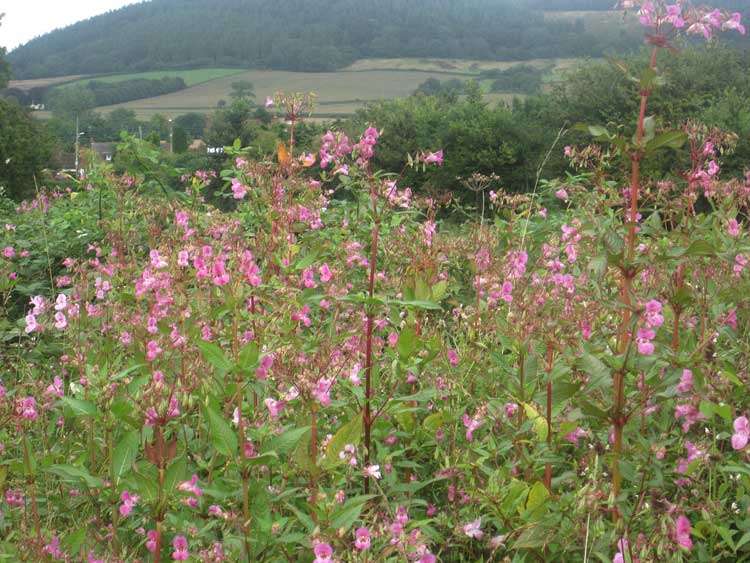 Himalayan Balsam


